Hidden Cost of
Sneakers
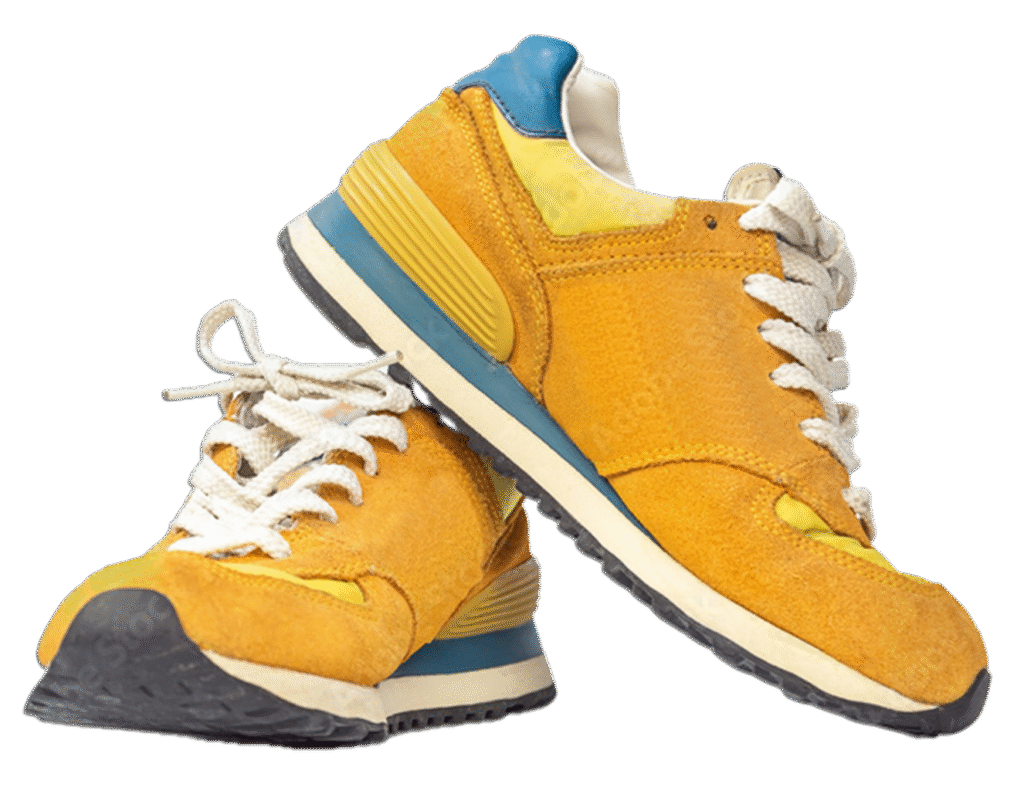
Trainers are important in personal style and function. A cultural and commercial phenomenon with heavy impacts on the environment and labor.
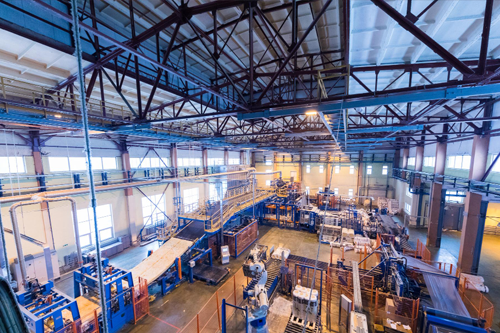
A look in to sneaker manufacturing
Manufacturing shoes is an energy-intensive processes that creates high-volume waste, the average pair of running shoes generate 30 pounds of CO2 emissions.
- A single shoe can contain up to 65 discrete parts that require 360 processing steps for assembly.
The reason for so many different parts that go into making sneakers and running shoes is they have to withstand more force, being made often with petroleum-derived plastic materials, which account for 1.4% of global’s greenhouse emissions. These materials also take years to biodegrade and release toxic chemicals in to atmosphere.
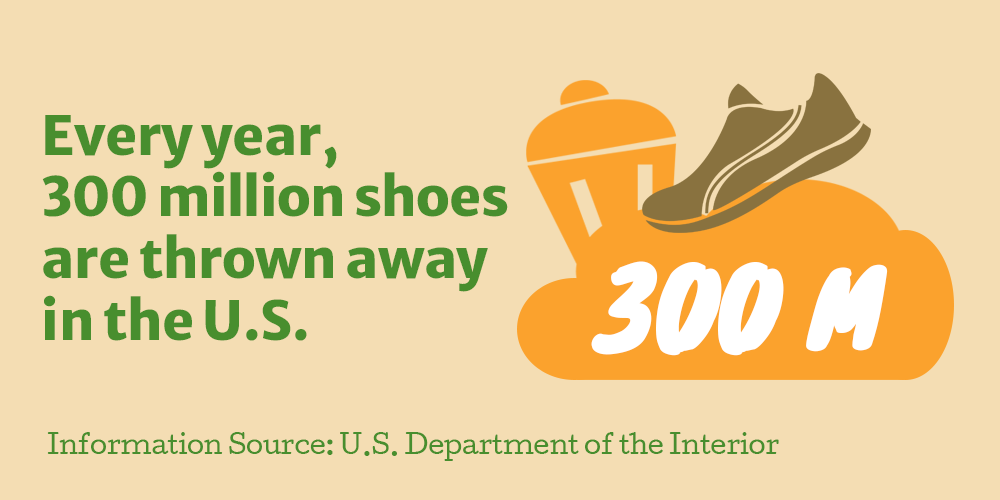
Sneakers production
Often times in shoe companies, tier 1 and tier 2 suppliers are producing their shoes overseas in countries such as China and Vietnam, and they’re not regularly completing inspections on labor treatments and whether they’re receiving adequate pay.
-
Nike still uses sweatshops, over 8 million pairs are made every year in the Taekwang factory in Laixi City which uses government-run forced labor programs.
- Companies such as ON, partner wih suppliers in Vietnam who are inadequately paid, their base salary is far from the living wage calculated in high-risk countries.
- Sketchers has been linked using forced labor from the Xinjiang Uyghur Autonomous Region.