
Hidden Costs of
Chocolate
What may seem as a simple sweet treat comes with greater costs to the environment and the involvement of child labor that is often overlooked.
A look in to chocolate labor production
A huge portion of global cocoa production is produced by the following countries in West Africa: Ivory Coast, Ghana, Nigeria, and Cameroon. About 60-70 percent of Africans participating in agriculture, these small-scale farms have to deal with the hardships of farm gate price, which is crop profit minus extra expenses. Chocolate companies will then take advantage of these farmers using this pricing method that for every chocolate bar that is sold, only three percent of that revenue goes back to the farmer.
- Modern day slavery occurs in the cocoa industry amongst these issues with farmers and child labor. A study conducted in Ghana, found that 23% of cocoa laborers reported having performed work without compensation.
Because of the lack of payment farmers recieve and the lack of involvement from companies chocolate production in their supply chains. Farmers often use child labor to assist in farming, according to the Bureau of International Labor Affairs, in Cote d’Ivoire and Ghana, more than 1.5 million children are estimated to work on cocoa farms.
Forest loss* in Côte d’Ivoire and Ghana over the last 60 years
Hardships on land
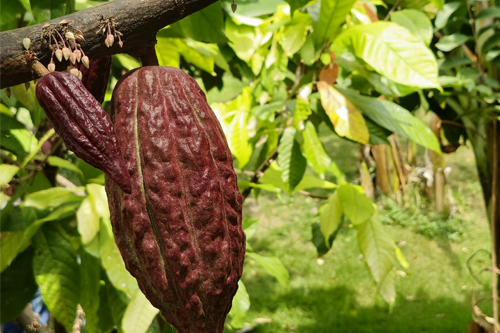
Chocolate comes from seeds or pods that grow on cocoa trees, because of the demand for chocolate products this has put immense pressure on tropical rainforests that produce cocoa, leading to deforestation to make way for cocoa monoculture.
-
A significant amount of cacao is wasted during production, approximately 75% of the cacao pod is discarded during the cultivation, harvesting, and consumption of cocoa beans.
- Pesticide and fertilizers are heavily used in production due to plants susceptibility to diseases leading to soil degradation and polluted runoff.
- Each kilogram of chocolate requires 10,000 litres of water